


Specialist Guide / Export Coordination
Steel Building Container Loading Methods: Open-Top vs 40HQ Options
The loading method and the destination unloading plan are one decision. Freight, component geometry, access and available equipment must be reviewed together.
Three methods at a glance
There is no universal best container-loading method.
Open-top container
Loaded through the open top and discharged one by one by crane.
- Main advantage
- Convenient top access
- Planning condition
- Route-specific freight and container availability; suitable crane and lifting area required.
40HQ bulk loaded
Components are loaded and unloaded piece by piece, typically with a forklift.
- Main advantage
- Common cost-focused method
- Planning condition
- More handling work; protect components and container surfaces from contact damage.
40HQ with packing racks
Components are grouped on racks and moved as complete handling units.
- Main advantage
- Convenient grouped handling
- Planning condition
- Additional rack and packing cost; suitable larger equipment and skilled operation required.
Freight, container supply, component quantity and site conditions change by project. This comparison is a planning framework, not a fixed quotation.
Method 01
Open-top container
Top access can simplify handling of long or heavy components when the destination can arrange a suitable crane and controlled lifting area. The source material records higher freight and potentially lower cargo utilization as trade-offs. The exact container specification and available loading space still require logistics-provider confirmation.
Method 02
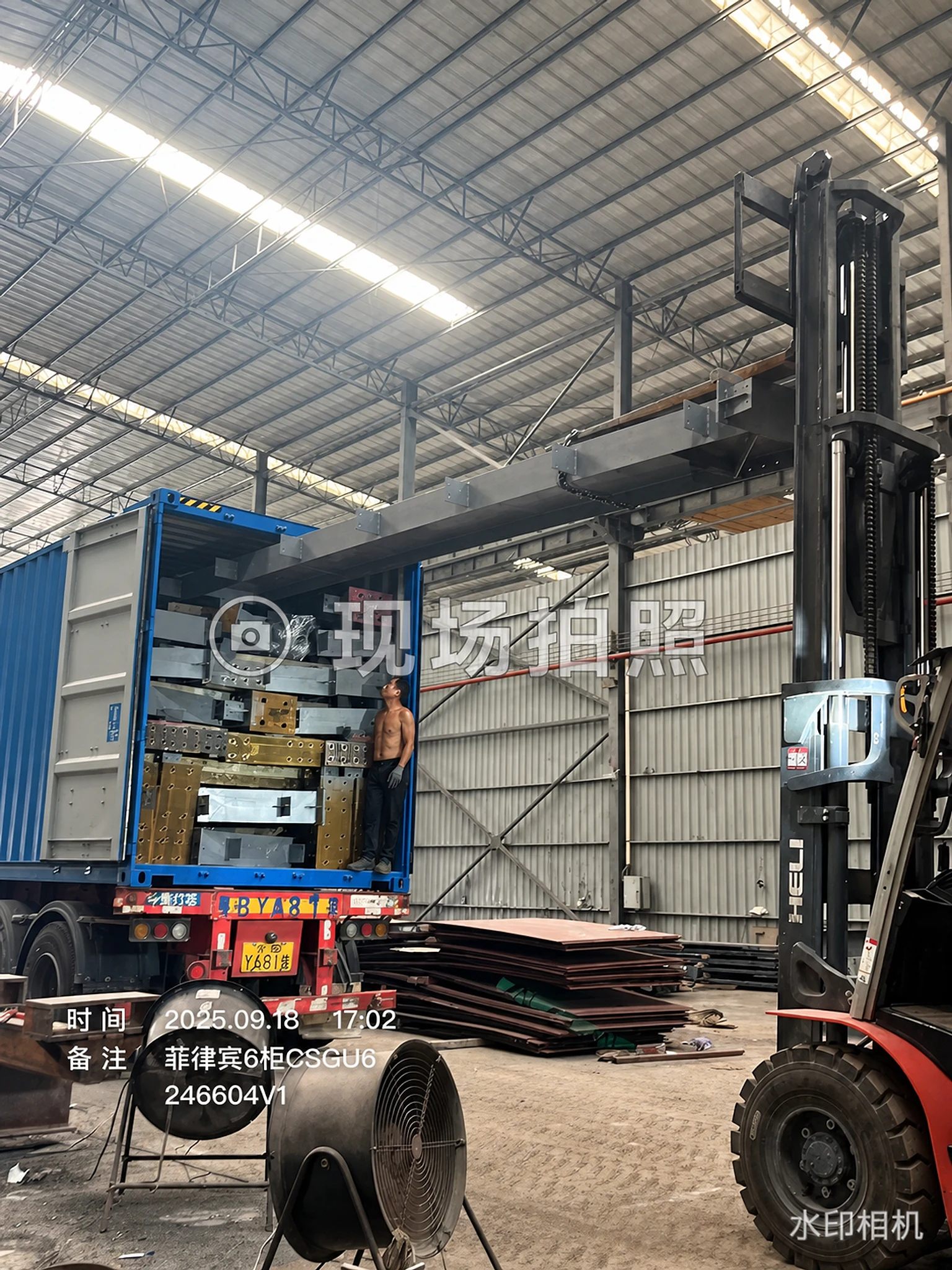
Standard 40HQ with bulk forklift loading
The department material describes bulk-loaded 40HQ containers as Ganyo's most commonly used method. It can support favorable freight and cargo utilization, but moving individual components through the container opening requires care, operator skill and a planned sequence. Protective packing and equipment clearance should be reviewed for the actual cargo.
Method 03
Standard 40HQ with packing racks
Grouped handling can make loading and unloading more convenient when the factory and destination have suitable equipment. It adds packing and rack cost, and the complete loaded rack must be moved safely without forcing or misalignment. Rack pricing remains shipment-specific.
Six decision inputs
Recommend the method only after the destination plan is visible.
- 01
Component list and geometry
Long primary members, secondary steel, plates and packaged items determine the practical handling method.
- 02
Destination port and route
Container availability and freight differences must be checked against current shipping conditions.
- 03
Available site equipment
Confirm the crane, forklift or rack-handling equipment the destination team can safely provide.
- 04
Unloading space and access
The container, equipment and temporary storage sequence all need adequate working space.
- 05
Handling sequence and labor
Piece-by-piece and whole-rack unloading require different skills and staging plans.
- 06
Total logistics cost
Compare ocean freight, packing, racks, destination equipment, labor and handling consequences together.
Source image evidence
Extracted and enhanced for clearer project discussion.
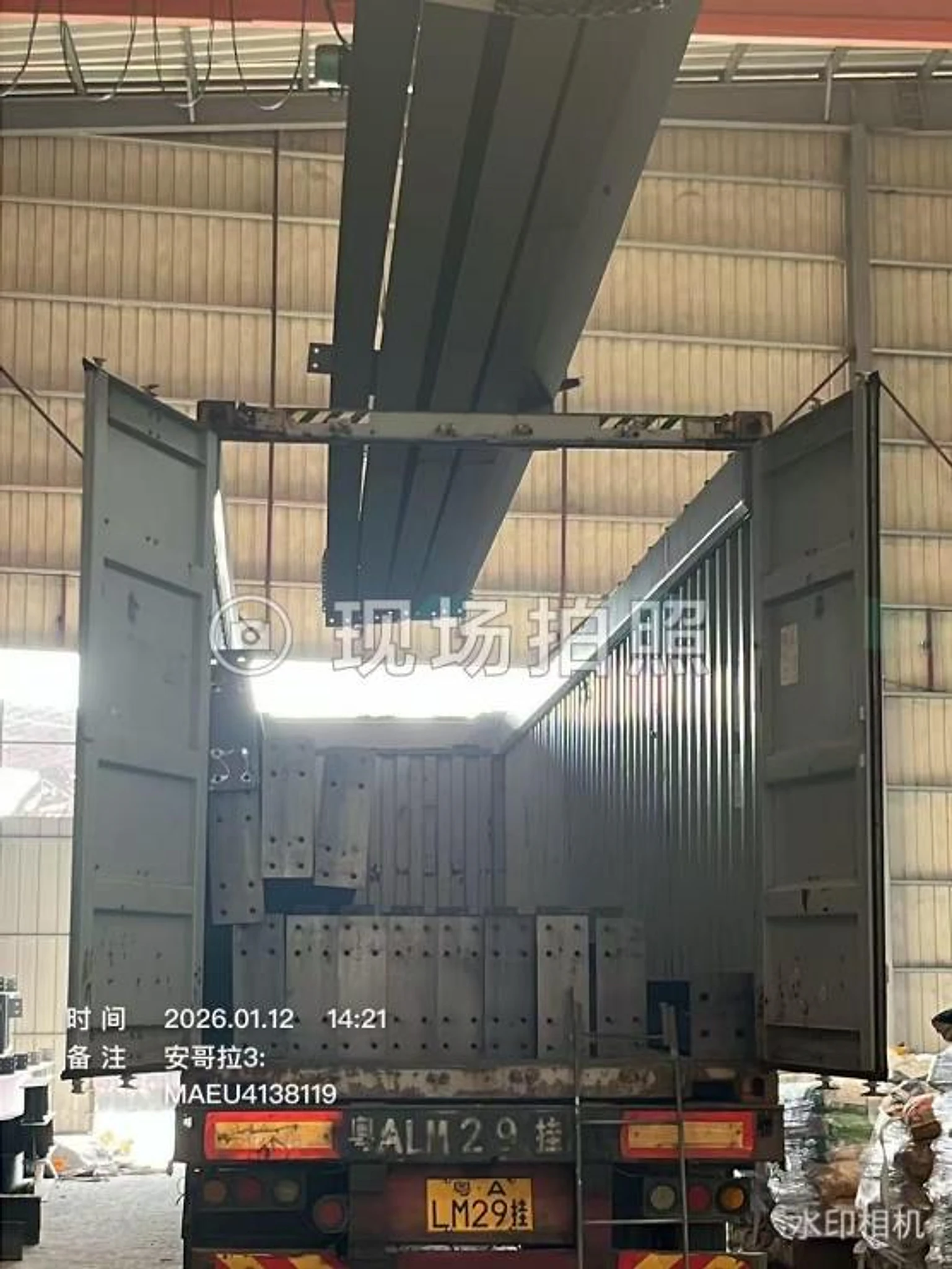
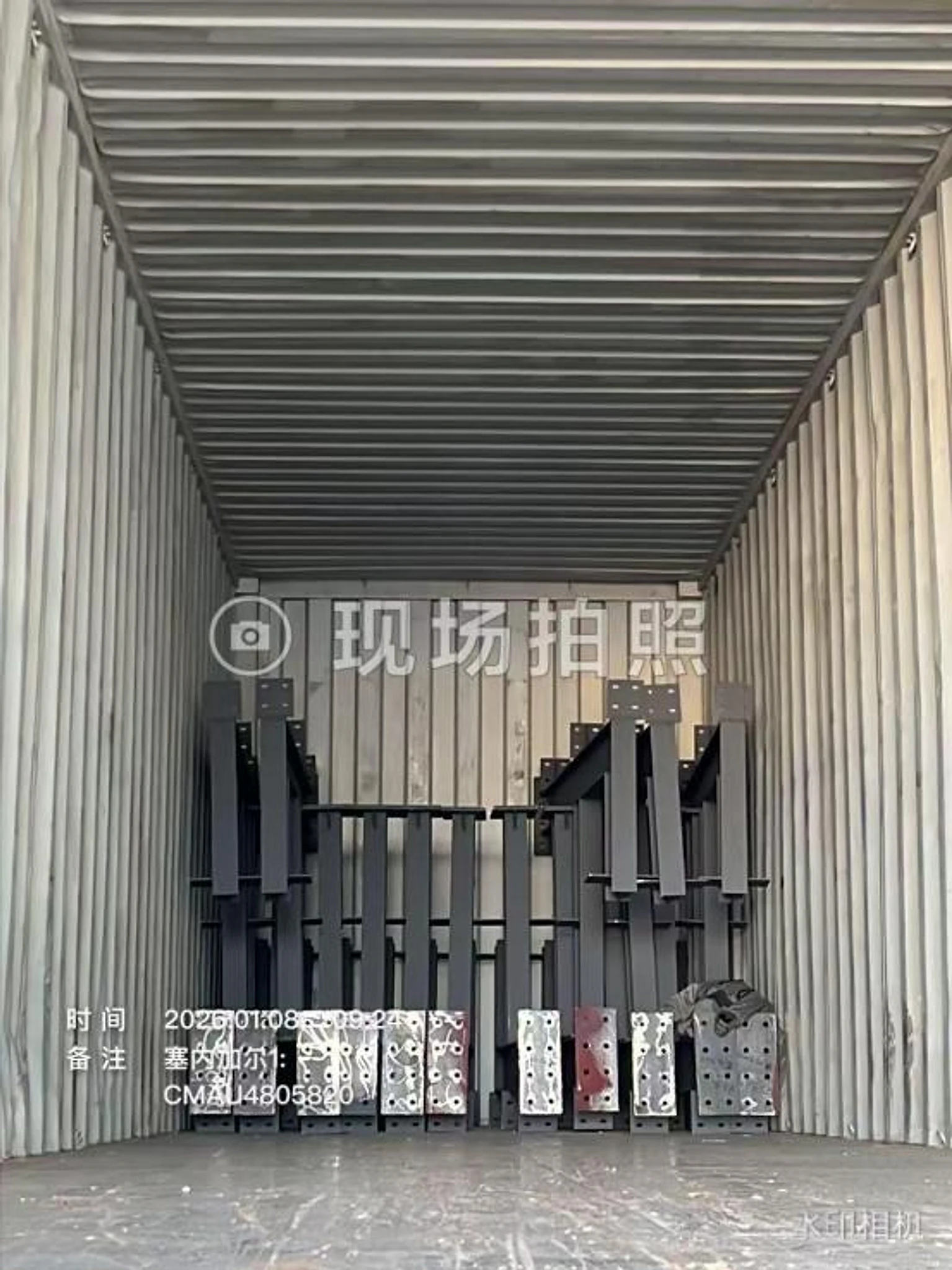
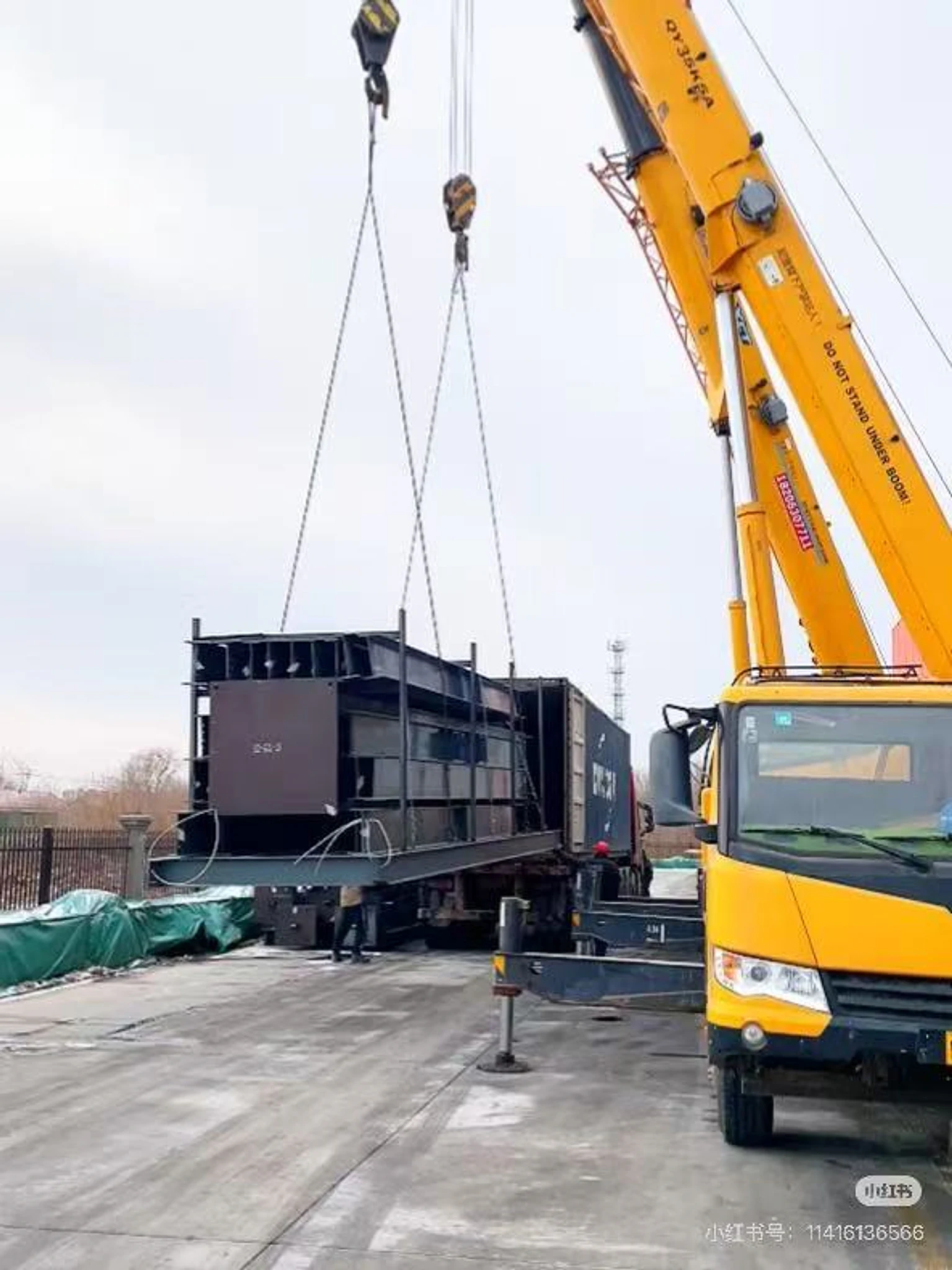
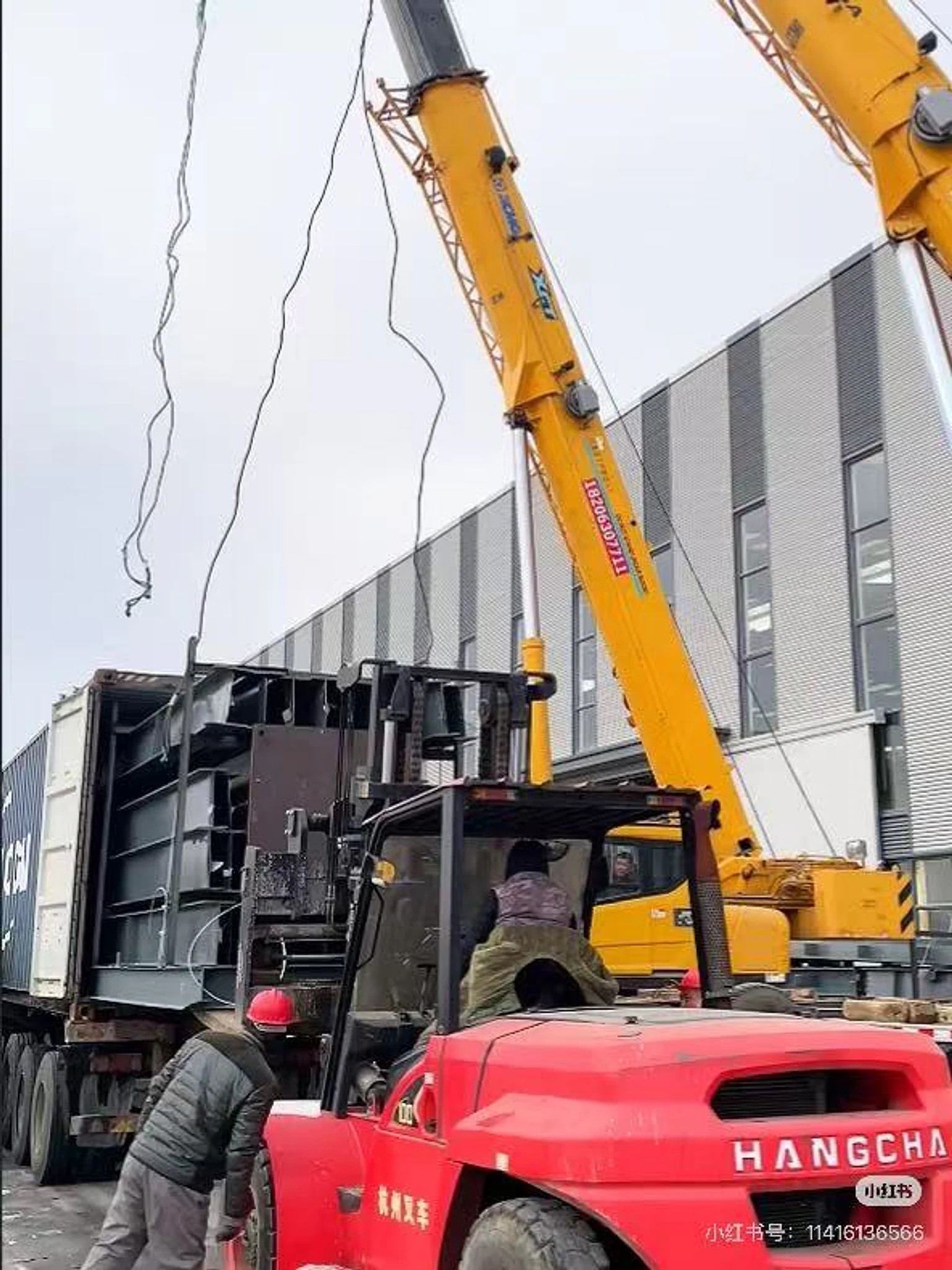
The images are 2K web derivatives of the supplied department files. They support option and handling explanations; they do not create a stock, performance, price or capacity promise.
Frequently asked questions
Keep each decision conditional and project-specific.
Is an open-top container always easiest?+
It may simplify top loading and crane unloading, but freight, availability, cargo utilization and destination lifting conditions still need review.
Is a standard 40HQ always the lowest-cost choice?+
Not necessarily. Total cost also includes packing, loading work, destination equipment, labor and handling risk.
Why use a packing rack?+
It groups components for handling, while adding packing cost and requiring equipment that can safely manage the complete rack.
Can the buyer choose the method?+
Buyer preference is an important input. The final plan should also match the cargo, route and unloading resources.
Prepare the project discussion
Send the destination and unloading conditions.
Include the port, component list, preferred method and available crane or forklift equipment.