


Solution 04 / Exposure and maintenance planning
Corrosion Protection for Steel Buildings: Define Exposure First
Describe how and where the steel will be exposed before discussing a surface-treatment or coating specification.
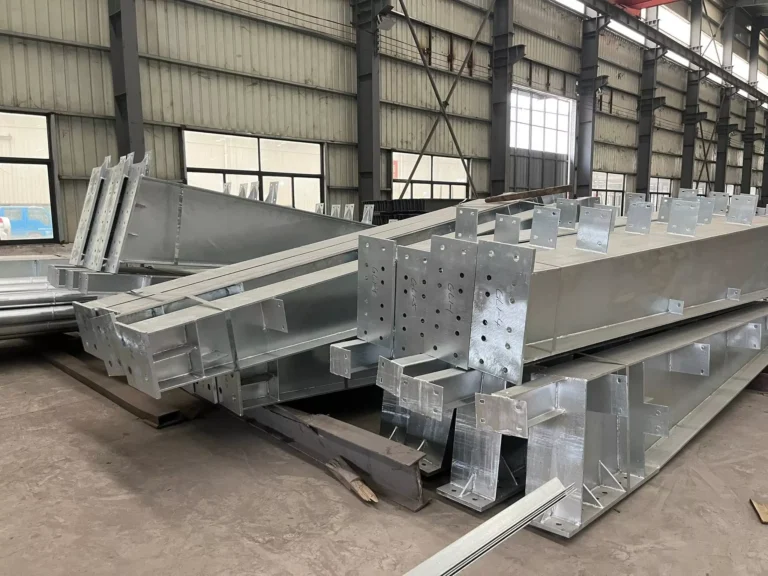
Planning context
Turn the project constraint into a reviewable input set.
A single coating description cannot represent every project environment or every steel component. Primary frames, secondary steel, external details, concealed interfaces and site touch-up areas may face different conditions and access constraints. The project brief should identify these differences before a specification is accepted.
- Which components are indoors, outdoors or repeatedly wet?
- Are coastal, industrial or chemical influences present?
- Where can water, debris or damage accumulate?
- How will inspection, cleaning and touch-up be performed?
Six inputs to prepare
Record confirmed values, sources and open questions separately.
- 01
Exposure environment
Describe indoor and outdoor zones, humidity, rain or wash-down, coastal influence, industrial contaminants and any chemical contact that has been approved for disclosure.
- 02
Component and detail map
Separate primary steel, secondary steel, connections, external details, concealed interfaces and areas exposed during transport or assembly.
- 03
Surface preparation and protection requirement
Provide the client or consultant specification when one exists. Keep preparation, primer, topcoat, galvanizing and other systems distinct.
- 04
Wetting, drainage and detailing
Identify leaks, condensation, ponding, dirt traps and interfaces where water or contaminants may remain.
- 05
Transport and site touch-up
Plan protection during packing, loading, unloading and assembly, together with a defined response for damaged areas.
- 06
Inspection and maintenance access
Record who can inspect the work, how surfaces can be cleaned or repaired and which areas may become inaccessible later.
Coordination workflow
Move from buyer need to a controlled technical brief.
- 01
Map exposure by component
Avoid applying one environmental description to the entire building when conditions differ.
- 02
Confirm the controlling specification
Separate customer requirements, proposed systems and pending engineering decisions.
- 03
Coordinate fabrication, transport and site work
Define protection, handling and touch-up responsibilities across the delivery chain.
- 04
Record the maintenance basis
Provide an inspection and maintenance handover appropriate to the approved project specification.
Expected review output
Make the next engineering discussion more specific.
- A component-by-component exposure map
- A source-tagged protection specification register
- A transport and site touch-up responsibility list
- An inspection-access and maintenance handover basis
Frequently asked questions
Keep each decision conditional and project-specific.
Is grey paint more corrosion-resistant than blue paint?+
Color alone does not establish corrosion performance. Confirm the complete protection specification separately.
Should indoor and outdoor steel use the same system?+
That depends on the approved exposure and project specification. Map the component locations and conditions before deciding.
What happens if coating is damaged during transport?+
The project should define inspection and touch-up responsibilities, materials and acceptance before shipment and assembly.
Can corrosion protection remove the need for maintenance?+
No such assumption should be made. Inspection and maintenance requirements remain project-specific.
Prepare the project discussion
Describe the environment before asking for a coating name.
Send the exposure zones, client specification, wetting and contaminants, transport plan and maintenance-access expectations.